
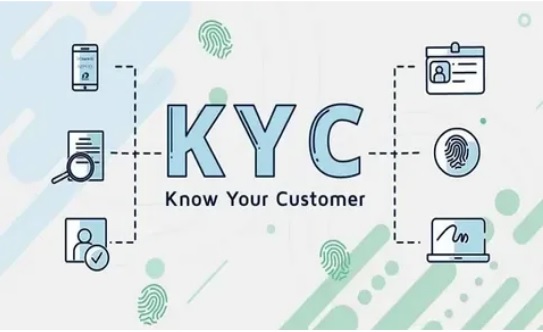
In the fast-evolving financial landscape, securing a loan successfully can feel daunting, especially with the increasing number of regulations and security measures in place to protect both lenders and borrowers. One of the most significant of these measures is KYC, or “Know Your Customer.” This article explores what KYC entails, its importance, and how it protects you in the loan application process. Additionally, we will look into “Video KYC,” a modern variation of the traditional KYC process.
Understanding KYC
What is KYC, or “Know Your Customer,” is a regulatory process used by financial institutions to verify the identity of their clients. It is a critical part of anti-money laundering (AML) laws and regulations, and it aims to prevent fraud, money laundering, and other illegal activities within the financial system.
The KYC process typically involves the collection of various forms of identification and documentation from customers. This may include:
- Government-issued ID: Such as a passport or driver’s license.
- Proof of address: Utility bills, bank statements, or lease agreements.
- Financial information: Employment details, income statements, and other relevant financial data.
KYC is essential not merely for compliance purposes but also to build trust between lenders and borrowers. By verifying your identity, lenders can ensure that you are who you claim to be, providing peace of mind for both parties involved in the transaction.
Why Is KYC Important?
The significance of KYC extends far beyond merely completing a form. Here are some key reasons why KYC is crucial in the loan application process:
- Fraud Prevention: By verifying identities, lenders can minimize the risk of identity theft and fraudulent loan applications. This helps to protect both the institution’s assets and the personal information of genuine borrowers.
- Regulatory Compliance: Banks and lending institutions must comply with local and international laws regarding KYC. This compliance protects them from severe penalties and legal consequences.
- Building Trust: A thorough KYC process fosters a trusting relationship between lenders and borrowers. It assures borrowers that the lender is diligent and professional, and it assures lenders that they are dealing with legitimate applicants.
- Risk Assessment: KYC allows financial institutions to obtain a comprehensive picture of the borrower’s financial status. This understanding helps lenders assess risk more effectively, ensuring that loans are granted only to individuals who are likely to repay them.
The KYC Process When Applying for a Loan
When you apply for a loan, KYC procedures will typically unfold in the following steps:
- Application Submission: The loan application begins with you providing basic information. This generally includes personal details like your name, date of birth, and contact information.
- Documentation Collection: Next, you will need to submit documents for verification, such as a government-issued ID and proof of address. Some institutions may also require additional financial documentation like income statements.
- Verification: The lender will scrutinize the information and documents you’ve provided. In this stage, they may contact you for further clarification or information.
- Loan Decision: Once your identity is verified and your financial details assessed, the lender will make a decision on your loan application.
- Funding: If approved, you will receive the loan amount, often accompanied by terms and conditions highlighting repayment plans, interest rates, and fees.
What Is Video KYC?
In recent years, the advent of technology has transformed traditional processes, including KYC. what is video kyc is an innovative method that utilizes video conferencing technology for identity verification, making the process faster and more convenient.
The Video KYC Process
- Face-to-Face Interaction: Borrowers conduct a live video call with a bank representative. This interaction allows for a more personalized experience compared to traditional methods.
- Dynamic Identification: During the video call, borrowers can show their documents to the camera, allowing the bank representative to verify identity in real time. This interactive element helps to reduce fraudulent claims.
- Enhanced Security: Unlike static images or documents that can be easily forged, Video KYC relies on live verification, making it much harder for fraudsters to exploit the system.
- Faster Processing Times: By eliminating the need for physical document submission, the video method significantly speeds up the loan application process, allowing for faster approvals and disbursements.
Advantages of Video KYC over Traditional KYC
- Convenience: Applicants can complete the verification process from anywhere, eliminating the need to visit a bank branch physically.
- Speed: Video KYC can significantly cut the time required for identity verification, expediting loan approval.
- Reduced Travel and Time: Borrowers save on traveling expenses and time, increasing overall efficiency in the loan application process.
Possible Challenges With KYC
While KYC and Video KYC provide numerous benefits, there are still some challenges to consider:
- Data Privacy: With the collection of sensitive information, data security and privacy must be top priorities for financial institutions to avoid breaches.
- Technical Issues: Video KYC depends heavily on technology. Bad internet connectivity or software issues can impact the verification process.
- User Adaptability: Not all customers might be comfortable with video technology, leading to confusion or hesitation in using Video KYC.
Conclusion
Understanding KYC and its implications can empower you as a borrower when applying for a loan. The KYC process ensures that both lenders and applicants are protected from fraud and enhances the overall security of the financial system. Video KYC is a modern and efficient extension of this process, designed to facilitate faster and more convenient transactions. By embracing KYC, you can not only safeguard your identity but also experience a smoother loan application journey.
In a world where financial security is paramount, knowing what KYC stands for and how it functions can be your first step toward a secure borrowing experience.