
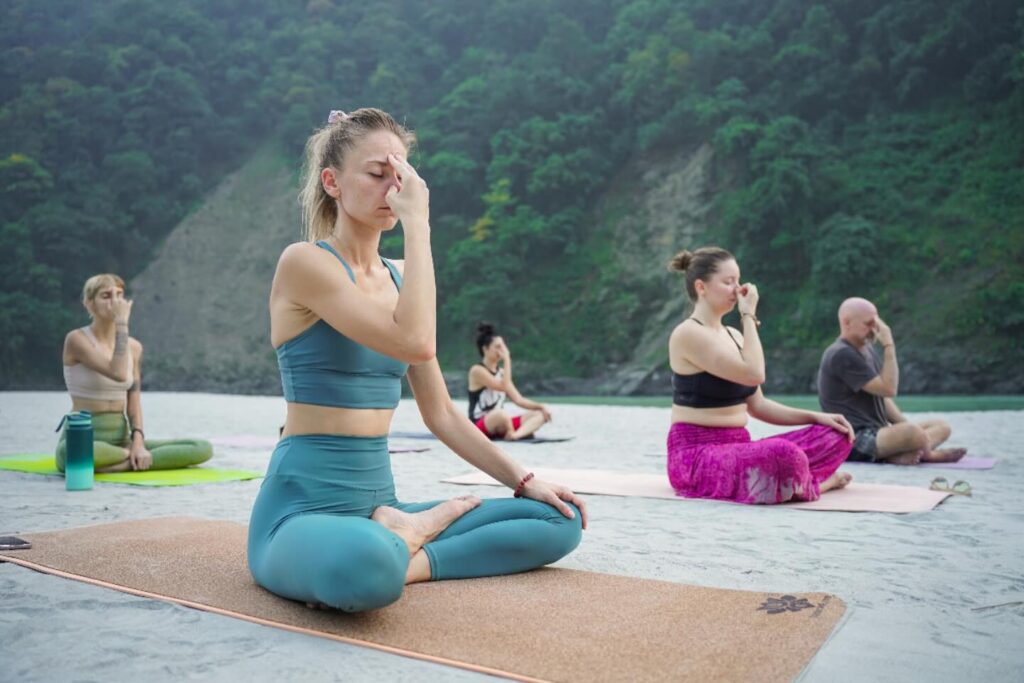
Yoga has become a global wellness practice, but its roots remain deeply connected to India. Among the many places where people can study yoga today, Rishikesh holds a special position. Situated at the foothills of the Himalayas along the banks of the Ganges, the city offers an environment where yoga is not simply taught as a physical exercise but experienced as a complete way of life.
For students travelling from different parts of the world, choosing yoga teacher training in Rishikesh can provide an opportunity to study traditional practices while experiencing India’s unique spiritual and cultural environment.
But what makes Rishikesh different from other popular yoga destinations? The answer lies in the combination of history, teachers, natural surroundings, traditional knowledge, and the immersive lifestyle available here.
Rishikesh and the Ancient Roots of Yoga
One of the strongest reasons to choose Rishikesh is its long association with yoga and spiritual learning.
For generations, seekers, monks, teachers, and practitioners have travelled to the region to study meditation, philosophy, and yogic practices. This history gives the city an atmosphere that is difficult to recreate in a modern yoga studio elsewhere.
When students learn yoga in Rishikesh, they are not only studying techniques from a textbook. They are entering an environment where yoga has been part of the local culture for generations.
This connection to tradition makes the learning experience particularly meaningful for students who want to understand yoga beyond physical postures.
The Ganges Creates a Unique Learning Environment
The Ganges is one of the defining features of Rishikesh.
The sound of flowing water, riverside walks, morning rituals, and peaceful surroundings can create a natural setting for contemplation. Students often find that being close to nature makes it easier to slow down and focus on their practice.
Meditation and pranayama can feel different when practiced away from crowded cities and constant distractions.
For an international student, the Ganges also provides a cultural introduction to India that extends beyond the classroom.
The Himalayas Add Another Dimension
Rishikesh’s location near the Himalayan foothills gives students access to a remarkable natural landscape.
Mountains, forests, river views, and fresh surroundings provide opportunities to spend time outdoors between training sessions. Nature can become an important part of the overall experience, particularly for students arriving from large and busy cities.
The combination of yoga, meditation, and natural surroundings can encourage a slower pace of living and greater awareness of everyday experiences.
Yoga in Rishikesh Is More Than Asana
A common misconception among beginners is that yoga is primarily about flexibility and physical postures.
Traditional yoga encompasses considerably more.
Students may explore:
- Asana and alignment
- Pranayama and breath awareness
- Meditation
- Yoga philosophy
- Mantra practices
- Anatomy and physiology
- Teaching methodology
- Yogic lifestyle
- Self-study and reflection
This broader curriculum allows students to understand how the physical and philosophical dimensions of yoga connect.
The result can be a more balanced foundation for anyone planning to teach yoga or deepen their personal practice.
A Global Community of Yoga Practitioners
Another advantage of Rishikesh is its international community.
Yoga schools and ashrams attract students from Europe, North America, Australia, Asia, and many other parts of the world. A training course can therefore become an opportunity to meet people with different cultures, experiences, and approaches to yoga.
This diversity can enrich classroom discussions and teaching practice.
Students also learn how yoga is understood in different parts of the world. For future teachers, this can be especially useful because they may eventually work with students from different cultural and professional backgrounds.
Why Choose an Immersive Residential Experience?
There is a difference between attending a yoga class and living in an environment built around yoga.
A residential program can create a consistent daily rhythm where students wake up, practice, study, eat, rest, and reflect within the same environment.
This is one reason an ashram-based experience can be particularly valuable.
Instead of returning to a busy hotel or city lifestyle after class, students can continue their learning through informal conversations, personal practice, meditation, and interaction with fellow practitioners.
The environment itself becomes part of the education.
Rishikesh Offers Training for Different Experience Levels
Another reason the city has become internationally recognised for yoga education is the variety of courses available.
Beginners can explore foundational programs, while experienced practitioners can choose advanced teacher training and specialised courses.
This makes Rishikesh suitable for people at different stages of their yoga journey.
Someone who completes a foundational course may later return for advanced education, allowing the city to become part of a long-term learning journey rather than a one-time destination.
Why Consider 300-Hour Advanced Training?
Once students have developed a strong foundation, they may want to explore more advanced concepts and teaching techniques.
A 300 hour yoga teacher training in Rishikesh India can be an option for practitioners who already have foundational training and want to expand their knowledge.
Advanced programs can provide opportunities to explore more detailed aspects of yoga practice, philosophy, anatomy, sequencing, meditation, and teaching methodology.
Rather than simply repeating introductory material, advanced study can encourage practitioners to examine yoga more critically and develop a deeper understanding of their teaching approach.
The Advantage of Studying Traditional and Modern Approaches Together
Modern yoga students come from different backgrounds. Some are interested in traditional Hatha Yoga, while others have experience with Vinyasa, Yin, meditation, or contemporary wellness practices.
Rishikesh offers opportunities to explore these different approaches while remaining connected to traditional yogic teachings.
This combination can be particularly useful for aspiring teachers who want to develop an authentic teaching style without losing sight of yoga’s traditional foundations.
Beyond the Yoga Classroom
A major benefit of travelling to Rishikesh for teacher training is that learning can continue outside scheduled classes.
Students can explore local temples, attend Ganga Aarti, walk along the river, visit nearby natural attractions, or simply spend time in quiet reflection.
These experiences can help students understand the cultural context surrounding yoga.
The city therefore becomes part of the journey. The classroom teaches techniques and concepts, while the surroundings provide opportunities to observe, experience, and reflect.
Why Choose Himalayan Yog Ashram?
For students looking for a structured and immersive experience, Himalayan Yog Ashram provides yoga teacher training programs in Rishikesh within a residential ashram environment.
The school offers foundational and advanced programs, including 200-hour and 300-hour yoga teacher training courses. Its approach brings together traditional yogic practices with areas such as anatomy, philosophy, meditation, pranayama, and teaching methodology.
For students considering 300 hour yoga teacher training in Rishikesh India, an advanced residential setting can provide the focused environment needed to move beyond basic practice and explore yoga in greater depth.
The experience is particularly suited to practitioners who want to dedicate several weeks to learning rather than trying to fit advanced study into a busy everyday schedule.
Rishikesh Can Change the Way You Experience Yoga
The greatest attraction of Rishikesh is perhaps not any single yoga school, course, or landmark. It is the overall environment.
You can begin the morning beside the Ganges, spend the day studying yoga, practice meditation in the evening, and gradually develop a lifestyle centred around awareness and discipline.
For many students, this change in routine creates space for personal growth.
Yoga teacher training becomes not only professional preparation but also an opportunity to understand yourself, your practice, and your relationship with others.
Is Rishikesh the Right Destination for You?
If you are searching for a place where yoga education, Indian culture, nature, spirituality, and community come together, Rishikesh is difficult to overlook.
Whether you are taking your first serious step into yoga or returning for advanced study, the city offers an environment that encourages continuous learning.
A yoga teacher training in Rishikesh can give you more than knowledge of postures. It can introduce you to philosophy, meditation, mindful living, and the traditional context from which yoga developed.
For experienced practitioners ready to progress further, 300 hour yoga teacher training in Rishikesh India can provide another stage of that journey.
Ultimately, Rishikesh’s reputation as a global yoga destination comes from something deeper than tourism. It is a place where yoga is studied, practiced, discussed, and lived—and that is what makes the experience so distinctive.