
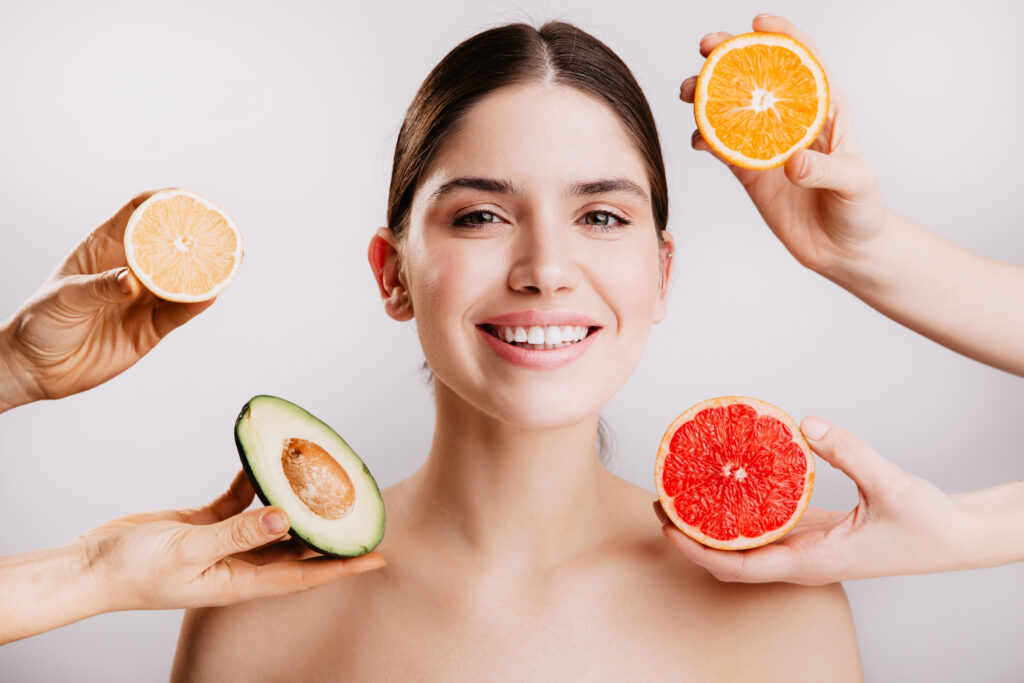
Moisturiser can make dry skin feel softer, yet some complexions still look flat, tight or uneven by midday. The problem may not be a lack of product. Dehydration can reflect water loss at the surface, an impaired barrier, climate, cleansing habits or a routine filled with ingredients that the skin no longer tolerates. Dullness may also have causes that sit beyond skin care.
The phrase skin nutrition is often used broadly, which makes careful interpretation important. Skin needs nutrients supplied through normal body processes, while topical products mainly act at or near the surface. A cream cannot compensate for an unbalanced diet, poor health or persistent dehydration. Equally, drinking excessive water is not a guaranteed cure for dry skin. Claims should stay realistic.
Start by looking at the routine. Hot water, frequent washing, foaming cleansers, scrubs and multiple active products can strip or irritate the barrier. Air conditioning, heating, wind and sun exposure add pressure. Simplifying to a gentle cleanser, suitable moisturiser and broad-spectrum sun protection may help reveal whether the problem is product overload rather than a missing miracle ingredient.
Moisturisers work in different ways. Some attract water, some soften the spaces between surface cells, and some reduce water loss by forming a protective layer. Texture matters because a light lotion that suits humid weather may not feel sufficient in a dry winter. Fragrance and botanical extracts can also irritate some people, despite being marketed as natural or nourishing.
A practical view of nourishment includes the wider diet without turning food into medicine. Regular meals containing varied sources of protein, essential fats, vitamins and minerals support general health, which includes the skin. Restrictive diets or rapid weight loss can sometimes change appearance. Anyone worried about deficiency, unexplained fatigue, hair loss or ongoing skin change should seek advice from a GP or accredited practising dietitian.
Sleep, alcohol, smoking, stress and illness can influence how the face looks, but they do not create a simple checklist with guaranteed cosmetic results. A tired appearance after a difficult week is different from persistent pallor, yellowing, swelling or a new rash. Cosmetic advice should not delay medical assessment when changes are sudden, severe or accompanied by other symptoms.
For topical care, consistency usually matters more than novelty. Introduce one change at a time and allow enough time to judge comfort. Patch testing may be sensible for reactive skin. If an active ingredient causes ongoing burning, cracking or redness, stopping and seeking professional advice is safer than forcing the skin to “adjust”. Pain is not a necessary stage of improvement.
Professional treatments may be considered once the barrier is stable, but they should address a defined concern. A clinic using the term skin nutrition should explain whether it means topical products, a cosmetic procedure or general lifestyle support. Ask what the treatment can realistically change, what evidence supports it, what downtime is possible and who should avoid it.
Persistent dryness may be linked to eczema, dermatitis, medicines, hormonal change or other conditions. A dermatologist or GP can assess symptoms such as itching, inflammation, broken skin or repeated flares. This is particularly important when over-the-counter routines keep failing.
Indoor humidity can be another overlooked factor. Long periods in heated or air-conditioned rooms may increase surface water loss, especially when the barrier is already fragile. A humidifier may improve comfort for some households, although it needs regular cleaning and is not a medical treatment. Small environmental changes can be tested alongside a simpler routine without introducing another strong active ingredient.
Dull, dehydrated skin does not always need more layers. It may need fewer irritants, better barrier protection, sensible sun care and attention to overall health. Skin nutrition is most useful as a balanced idea rather than a product claim. When people separate surface hydration from medical or dietary concerns, they can choose steps that are simpler, safer and more likely to match the real cause.