
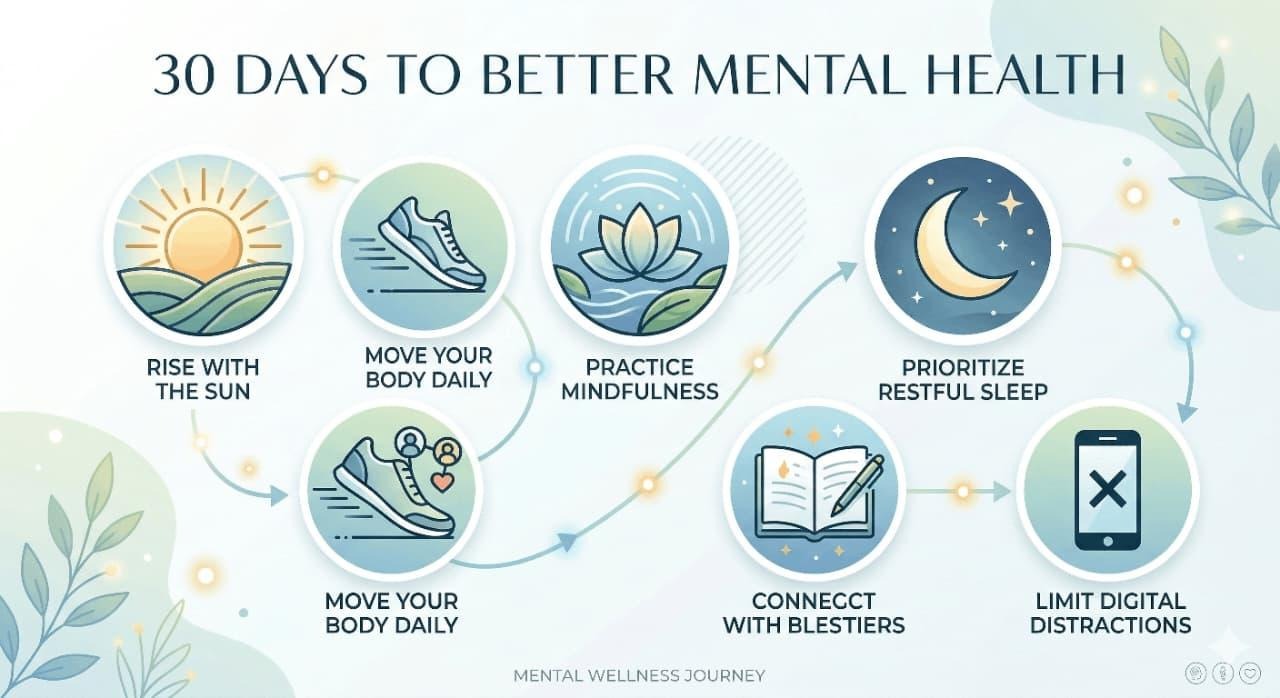
Your mental health isn’t determined by genetics alone. It’s shaped by daily choices. The habits you repeat create the mental state you experience. Want better mental health? Build better habits.
Here’s what science shows: small daily practices compound into profound psychological transformation. Not overnight. Not magically. But systematically and measurably.
This guide reveals ten science-backed habits that genuinely improve mental health. Not expensive therapies. Not complicated protocols. Simple daily practices anyone can implement immediately.
Introduction: Mental Health Starts With Daily Habits
Mental health isn’t something you achieve and maintain effortlessly. It’s something you build daily through intentional practices. Your nervous system responds to what you do, not what you wish you did.
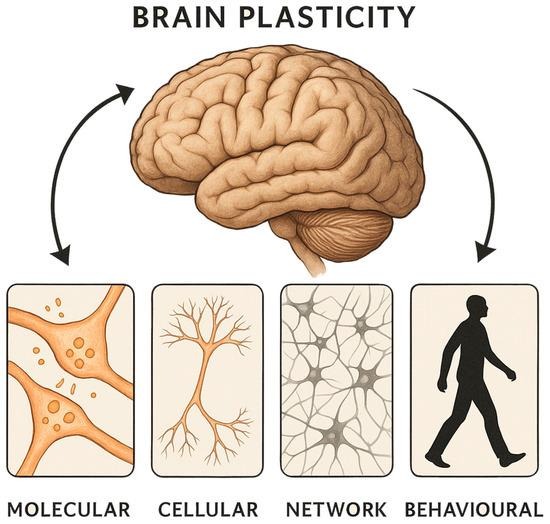
Science confirms this completely. Neuroplasticity means your brain physically restructures based on repeated behaviors. Daily habits literally rewire your brain toward health or dysfunction. You choose which direction through your choices.
The beautiful part? You don’t need extraordinary practices. Ordinary habits repeated consistently create extraordinary results. A 10-minute daily meditation beats sporatic hour-long sessions. Daily 5-minute walks beat weekly intense workouts.
Consistency compounds. Small habits accumulate. This guide presents ten practices proven by research to improve mental health naturally. Pick the ones that resonate. Start with one or two. Build from there.
Habit 1: Morning Meditation (10-15 minutes)
Meditation is the single most researched mental health practice. Studies show consistent meditation reduces anxiety by 35-40%, depression by 30-35%, and stress by 25-30%. Results appear within 2-3 weeks of daily practice.
How to do it: Sit comfortably. Close eyes. Focus on breath. When mind wanders (it will), gently return attention to breath. No judgment. Just noticing and returning. Ten minutes minimum. Fifteen is ideal.
Why it works: Meditation activates your prefrontal cortex (rational thinking, decision-making). It calms your amygdala (fear center). It teaches your nervous system that you’re safe. These changes are measurable on brain scans.
Best time: Early morning before the day’s stress accumulates. Your nervous system is naturally calmer in morning. This is when meditation practice has deepest impact.
Habit 2: Conscious Breathing Throughout the Day
Your breath directly controls your nervous system. Slow breathing activates parasympathetic response (calm). Fast shallow breathing activates sympathetic response (stress). You control this through breath alone.
Practice: Set phone reminders 3-4 times daily. When reminder goes off, stop and take 5 conscious breaths. Inhale for 4 counts. Exhale for 6 counts. That’s it. Three minutes total per day.
Science says: This simple practice reduces cortisol (stress hormone) by 15-20%. Regular practice lowers baseline stress permanently. You’re literally training your nervous system to be calmer.
Why this matters: You can’t always control what happens. You can always control your breath. This gives you agency over your nervous system response throughout the day.
“For deeper nervous system mastery, pranayama or morning meditation courses in India teach advanced breathing techniques that create even more dramatic shifts. Practices like alternate nostril breathing, extended exhale breathing, and box breathing are taught systematically in specialized programs.
While daily conscious breathing is powerful, structured training accelerates nervous system reprogramming significantly.”
Habit 3: Movement and Physical Exercise

Image 3 Daily movement and exercise showing various physical activities for mental health improvement
Exercise is medicine for mental health. One hour of moderate exercise produces antidepressant effects equivalent to many medications. The effect appears within days, not weeks.
What counts: Walking 30 minutes. Dancing. Swimming. Cycling. Resistance training. Anything that moves your body consistently. The type matters less than consistency.
Mechanism: Exercise increases endorphins, reduces cortisol, improves sleep, increases BDNF (brain growth factor). Multiple pathways to mental health improvement simultaneously.
Science: People who exercise regularly show 30% lower depression rates, 25% lower anxiety rates, 40% better stress resilience. The effect is dose-dependent: more movement = better mental health.
Implementation: Start with 20 minutes daily. Morning is ideal (mood elevation lasts entire day). Even brief movement helps. Ten-minute walks improve mood measurably.
Habit 4: Yoga Practice (Even 10 Minutes Matters)
Yoga combines physical movement, breathing practice, and mindfulness simultaneously. Research shows regular yoga reduces anxiety by 40-50%, improves mood by 35-40%, enhances sleep quality by 30%.
When you practice in some of the best yoga teacher training Courses in India, you learn that yoga isn’t just physical. It’s a complete nervous system training system. Regular practice fundamentally changes how your body responds to stress.
What to do: Find a beginner yoga class or online video. Practice 10-20 minutes daily. Focus on how your body feels, not achieving perfect poses. The benefits come from practice, not perfection.
Why yoga specifically: Yoga addresses mind (meditation), body (movement), and breath (pranayama) simultaneously. This integration creates more complete mental health benefits than any single practice alone.
Best styles for mental health: Hatha (slower, gentler), Yin (longer holds, deep relaxation), Restorative (props-supported, deeply calming). Avoid fast-paced styles initially if you’re highly stressed.
Habit 5: Proper Sleep Routine

Sleep is where mental health actually happens. During sleep, your brain consolidates memories, processes emotions, clears toxins, and rebuilds neurochemistry. Poor sleep destroys mental health. Good sleep creates it.
Science: One night of poor sleep increases anxiety by 30%, depression risk by 25%, emotional reactivity by 40%. Chronic poor sleep causes permanent mental health deterioration.
What works: Consistent bedtime and wake time (even weekends). Dark room. Cool temperature (65-68F ideal). No screens 1 hour before bed. Wind-down routine (reading, journaling, gentle stretching).
Target: 7-9 hours nightly. Yes, this matters. Sleep isn’t luxury. It’s requirement for mental health. Prioritize sleep like you prioritize food. Your brain depends on it.
Implementation: Start with consistent bedtime. Add darkness gradually. Add screen-free time gradually. Make changes one at a time. Sleep quality improves within 1-2 weeks.
Habit 6: Mindful Eating
How you eat affects your mental health. Ultra-processed foods increase depression and anxiety. Nutrient-dense foods decrease them. But more importantly, how you eat matters as much as what you eat.
Mindful eating: Put phone away. Sit down. Chew slowly. Notice flavors, textures, sensations. Eat until satisfied, not stuffed. This simple shift reduces stress eating, improves digestion, and enhances satisfaction.
What to eat: Whole foods. Vegetables. Fruits. Whole grains. Legumes. Fish. Nuts. Seeds. Herbs. Spices. Avoid sugar, processed oils, artificial additives. These directly worsen mental health.
Science: Mediterranean diet shows 30% lower depression rates. Whole-food diets show 40% lower anxiety. Even small dietary improvements produce measurable mental health benefits.
Implementation: Start with one mindful meal daily. Notice the difference. Add more gradually. Small dietary improvements compound.
Habit 7: Digital Detox Hours
Constant digital stimulation destroys focus, increases anxiety, reduces emotional stability. Your brain wasn’t designed for infinite notifications and algorithmic engagement.
What to do: Choose 1-2 hours daily where you don’t check phone. No social media. No email. No news. Just be present with whatever’s actually happening.
Why this matters: This detox time lets your nervous system reset. Your brain’s default mode network activates (this is where creativity, insight, and peace emerge). Your stress hormones decrease.
Science: Just 30 minutes without phone reduces anxiety by 20%. One hour reduces anxiety by 35%. Your mind and nervous system genuinely need digital breaks.
Implementation: Start with one hour. Evening before bed is ideal (improves sleep too). Make it non-negotiable. Phone goes in another room. This alone transforms mental health.
Habit 8: Journaling for Emotional Release
Writing about emotions releases them. Journaling for 10-15 minutes daily produces measurable mental health improvements. Writing literally processes emotion in ways thinking alone cannot.
How to journal: No rules. No grammar required. Just write whatever’s present. Emotions, thoughts, worries, gratitude, dreams. Raw honesty. Nobody reads this but you.
Why it works: Writing externalizes what’s internal. Seeing emotions on paper creates psychological distance. You observe them rather than being overwhelmed by them. This shifts your relationship with difficult emotions.
Science: Expressive journaling reduces anxiety by 25-30%, improves mood by 20-25%, enhances sleep quality by 15-20%. These benefits appear within 2-3 weeks.
Timing: Evening works well (process the day). Morning works (set intention for the day). Consistency matters more than timing.
Habit 9: Nature Connection

Time in nature directly heals mental health. Fifteen minutes in nature reduces cortisol by 15-20%. One hour reduces it by 30-35%. Your nervous system recognizes nature as safe.
What counts: Walking in park. Sitting by water. Forest bathing (slow mindful walking). Even plants in your home help (slightly). Real nature is most powerful.
Mechanism: Nature exposure reduces stress hormones, lowers inflammation, enhances immune function, improves mood. Multiple physiological systems shift toward healing.
Implementation: Daily 15-30 minute nature time minimum. Early morning is ideal (combines with movement, natural light). No phone or make it secondary (document not primary focus).
Science: Regular nature exposure reduces depression by 25-35%, anxiety by 20-30%, increases life satisfaction by 30-40%. Effect appears within 2-3 weeks.
Habit 10: Gratitude Practice
Gratitude isn’t positive thinking. It’s neurological shift. Daily gratitude practice literally rewires your brain toward noticing what’s working instead of what’s wrong.
How to practice: Each morning or evening, write or speak three specific things you’re grateful for. Be specific (“my morning coffee’s warmth” not “life is good”). Specificity activates neurological gratitude response.
Why it works: Your brain’s reticular activating system (RAS) filters what you notice. Gratitude practice trains RAS to filter toward abundance. You literally start seeing more good in your life.
Science: Daily gratitude practice increases happiness by 25-30%, reduces depression by 20-25%, improves sleep by 15-20%, enhances resilience by 30-35%.
Timing: Morning gratitude energizes your day. Evening gratitude improves sleep. Both is ideal but one is enough.
Making Habits Stick: Implementation Tips
Start with one habit. Master it for 21 days (habit formation timeline). Then add another. Trying all ten simultaneously overwhelms and creates failure.
Stack habits together. Meditation + gratitude in morning. Yoga + breathing practice mid-day. Journaling + gratitude evening. Group related habits into natural sequences.
Track consistently. Use calendar, app, or journal. Check off each day. Seeing the chain of consistency builds motivation and accountability.
Remove friction. Put yoga mat in visible spot. Set phone reminders. Prep journal on nightstand. Make habits impossible to forget.
Expect imperfection. Missed days happen. This doesn’t break the habit. Just resume next day. Consistency over perfection.
Find community. Meditation groups. Yoga classes. Journaling circles. Community support increases follow-through dramatically.
 Bravo
Bravo