
Maintaining a good CIBIL score is crucial for achieving financial wellness and improving your creditworthiness. Whether you’re looking to secure a loan, apply for a credit card, or take out a mortgage, your CIBIL score plays a critical role in determining your eligibility. In this article, we’ll discuss what constitutes the best CIBIL score, how to maintain it, and how to increase your CIBIL score. By the end, you’ll be equipped with actionable insights to ensure your credit health remains at its best.
What is a CIBIL Score?
Your CIBIL score is a three-digit numerical representation of your creditworthiness, ranging between 300 and 900. Compiled and calculated by the Credit Information Bureau (India) Limited (CIBIL), this score indicates how likely you are to repay your loans and debts. CIBIL uses your credit history, repayment patterns, outstanding debts, and other financial details to arrive at this score, which lenders use to evaluate risks associated with offering you credit. Achieving the Best CIBIL Score possible ensures you remain a preferred borrower in the eyes of lenders, unlocking better financial opportunities and favorable loan terms.
What is the Best CIBIL Score?
A CIBIL score above 750 is considered excellent in India and is classified as the “best” score by most financial institutions. However, scores above 700 are generally regarded as good enough to qualify for loans and credit cards with favorable terms.
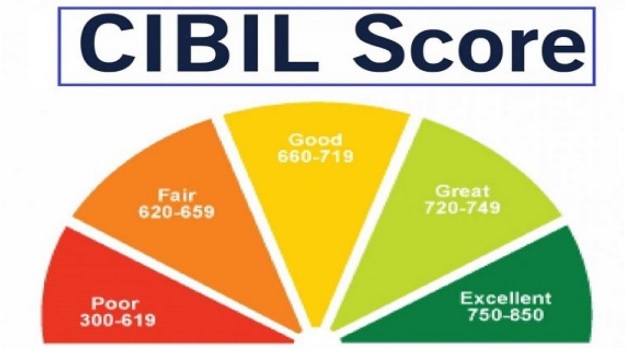
Here’s a breakdown of CIBIL score ranges:
- 300–549: Poor score, reflects poor financial management. Loan applications are likely to be rejected.
- 550–649: Fair score, but still below average. Securing loans may be difficult and come with high-interest rates.
- 650–699: Good score, where lenders may start considering your loan application, albeit with limits on borrowing capacity or terms.
- 700–749: Very good score, increasing your chances of loan approval with favorable terms.
- 750–900: Excellent score, the best CIBIL score range, where lenders offer a wide range of financial products at competitive interest rates.
Having an excellent CIBIL score of 750 or higher is where every borrower should aim to be. This range opens the doors to premium financial products, quick loan approvals, and lower interest rates.
Why is Maintaining the Best CIBIL Score Important?
Maintaining the best CIBIL score comes with a host of benefits, such as:
- Easy Loan Approvals: A high CIBIL score reduces lender hesitation and speeds up the loan approval process.
- Competitive Interest Rates: Borrowers with the best scores often receive lower interest rates compared to others, saving money in the long term.
- Higher Credit Limits: If you maintain an excellent score, banks and lenders are likely to trust you with higher credit limits.
- Increased Negotiation Power: With a good score, you may have the power to negotiate the terms of your loan agreement.
- Access to Premium Financial Products: Many banks design exclusive financial products (credit cards, personal loans, etc.) for individuals with excellent CIBIL scores.
Factors That Affect Your CIBIL Score
Before jumping into ways to maintain the best CIBIL score or how to increase CIBIL score, let’s look at the primary factors influencing it:
- Payment History: Timely repayment of loans and credit card bills has a positive impact on your credit score.
- Credit Utilization Ratio: The percentage of your credit limit used affects your score. High credit utilization can harm your score.
- Credit Age: A long credit history demonstrates reliability. Older accounts positively impact your score.
- Credit Mix: Having a variety of secured (home loans, car loans) and unsecured credit (credit cards, personal loans) tends to favor your score.
- Hard Inquiries: Frequent inquiries about loans and credit cards can negatively impact your CIBIL score.
How to Maintain the Best CIBIL Score
Ensuring your CIBIL score stays in the optimal range requires discipline and proactive financial management. Here are actionable tips to maintain the best CIBIL score:
1. Pay EMIs and Bills on Time
Timely payments of Equated Monthly Installments (EMIs) and credit card bills showcase your credit discipline. Set reminders or automate payments to avoid delays, which could harm your score.
2. Use Your Credit Wisely
Try not to max out your credit cards. Ideally, use 30–40% of your credit limit to keep your utilization rate low. For example, if your credit card limit is ₹1,00,000, avoid spending more than ₹40,000 monthly.
3. Avoid Multiple Loan Applications
Applying for multiple loans within a short span makes lenders cautious and leads to multiple hard inquiries. Keep credit inquiries to a minimum to avoid damaging your credit score.
4. Ensure Credit Mix
Lenders prefer borrowers who have experience managing both secured and unsecured credit efficiently. Avoid relying solely on one type of credit.
5. Check Your Credit Report Regularly
Regularly reviewing your CIBIL report helps you identify inaccuracies or errors that could negatively impact your score. If you find discrepancies, report them and get them corrected promptly.
6. Avoid Settling Loans
Loan settlement means paying less than the due amount to close the account. While it might seem convenient, it severely harms your CIBIL score.
How to Increase CIBIL Score
If your score has dropped or isn’t in the best CIBIL score range, apply these methods to improve your standing:
1. Clear Outstanding Debts
Make repaying your existing debts a priority. Clearing outstanding loans and overdue bills improves your score significantly.
2. Avoid Defaulting on Payments
Any missed payment, whether a loan or a credit card bill, has a negative impact on your score. Ensure you repay creditors on time to boost your credit rating.
3. Limit New Credit Acquisitions
If your score is low, refrain from applying for new credit cards or loans. Multiple credit applications signal financial distress and further affect your score.
4. Opt for Longer Tenors on Loans
Choosing longer repayment tenors can improve your repayment capacity and reduce your monthly financial burden, which benefits your score.
5. Use Credit Cards Responsibly
If you have a credit card, focus on using it responsibly by keeping your utilization limit low and paying the full amount due each month.
6. Leverage Secured Credit Cards
For individuals with a low score, secured credit cards backed by fixed deposits can be effective for rebuilding their credit history and improving their score.
Mistakes to Avoid While Maintaining Your CIBIL Score
Protecting your credit health involves steering clear of common pitfalls that could harm your score:
- Spending Beyond Limits: Overusing your credit limit signals poor financial management.
- Ignoring Credit Reports: Errors in your report can go unnoticed and harm your score.
- Closing Old Accounts: Old accounts positively impact your credit age, so avoid closing them unnecessarily.
- Settling Loans: Loan settlements negatively impact your creditworthiness.
How Long Does It Take to Improve Your CIBIL Score?
Improving your CIBIL score isn’t an overnight process. Generally, consistent efforts over 6–12 months will yield noticeable improvements. Factors such as your repayment habits and outstanding debts heavily influence the speed of recovery. Platforms like Bajaj Finserv can help you track your credit health and offer tailored financial solutions to accelerate your journey toward a better CIBIL score.
Conclusion
Achieving and maintaining the best CIBIL score is a cornerstone of effective financial planning. A CIBIL score above 750 has the potential to unlock a world of financial opportunities, from low-interest loans to premium credit products. By following disciplined repayment practices, managing your credit utilization ratio, maintaining a healthy mix of credit, and regularly monitoring your CIBIL report, you can ensure your score stays in the optimal range.
If your score is currently below par, don’t worry. There’s always room for improvement. Use the strategies outlined in this article to understand how to increase CIBIL score effectively. Remember, financial mastery lies in consistency and prudent credit management. Start today and unlock the benefits of a stellar CIBIL score!
 jacky
jacky