
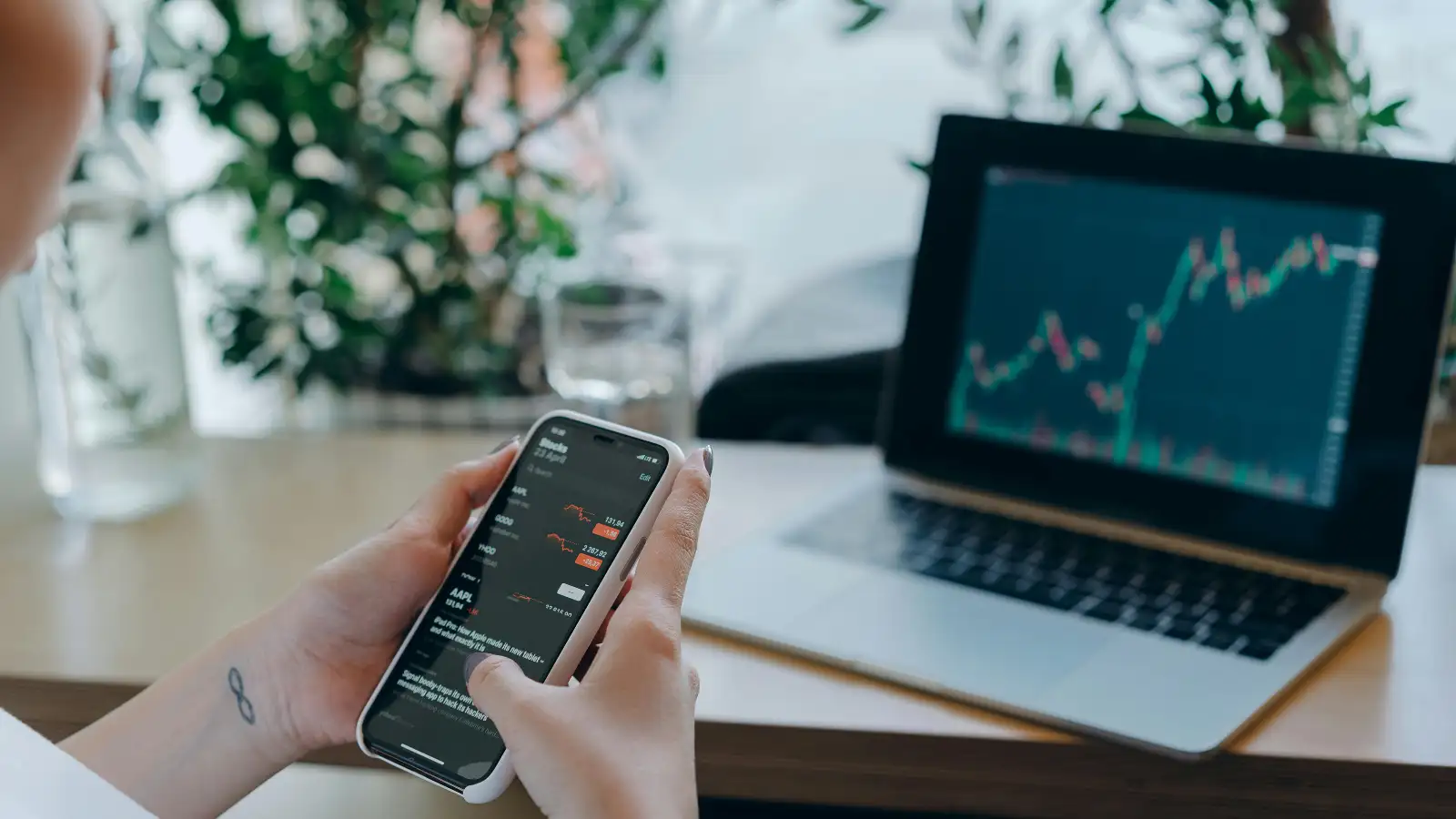
Volatility teaches lessons that no amount of reading or tutorial watching can fully replicate. Newcomers enter currency markets thinking they understand risk because they can define it. A surprise political headline or an unexpected announcement from Banco de México can turn a routine FX trade into a rapid, visceral lesson in how quickly theoretical knowledge gives way to emotional response. It is this gap between what one intellectually understands and what one experiences that usually only reveals itself when real capital is exposed to real market movement.
Many newcomers approach their first really volatile FX trade with unwarranted confidence, having absorbed enough educational content to feel prepared without necessarily internalizing how disorienting rapid price movement actually feels at the moment. The stress of watching an open position swing several percentage points in a matter of minutes is a different kind of stress than reading about volatility in an article or tutorial, and this difference is why so many seasoned traders stress the importance of starting small, regardless of how much someone has studied beforehand.
For many Mexican traders navigating sharp currency swings, their own emotional reactions turn out to be the biggest surprise of all. Someone who felt calm and rational backtesting a strategy against historical peso volatility might find real panic setting in as they watch unrealized losses mount faster than their trading plan predicted. This gap between the discipline a trader plans on and the way that trader actually behaves under pressure is one of the more humbling lessons that volatile trading conditions tend to give, often earlier in a trading journey than beginners might expect.
The beginner who has been through one especially rough stretch of currency trading tends to find that risk management concepts that seemed like optional best practices become urgent priorities almost overnight. Stop loss placement, position sizing, and leverage limits are not just abstract recommendations in educational materials anymore, but specific tools that traders understand on a deeper level, grounded in a specific painful experience and not just theoretical caution. Such a recalibration of understanding is rarely gradual but comes as a fairly sudden shift, triggered by a single memorable episode of market stress.
Much of the conversation in the Mexican retail trading community often centers on these formative experiences with volatility, where newer participants learn cautionary lessons secondhand from those who have already weathered their own difficult episodes. There is a lot of chatter on forums and social media groups dedicated to peso trading. Often, there will be a detailed breakdown of what went wrong during a particularly sharp move in the market. It is a kind of collective risk education that adds to any formal learning that newcomers may pursue elsewhere. This common pool of knowledge has grown so large that some new traders now arrive already carrying backgrounds that earlier generations of traders lacked.
MetaTrader 4 and MetaTrader 5 are great tools for putting these lessons from volatile experiences into practice. The stop loss and take profit functionality is often underutilized by traders until a rough trading session makes it clear that they need to use it. The Comisión Nacional Bancaria y de Valores has issued regulatory guidance that has placed more emphasis on risk disclosure requirements, although most traders describe real behavioral change as coming primarily from firsthand experience with volatility, not from disclaimers or disclosures read when setting up accounts. As Mexico’s retail trading culture continues to mature, these formative volatile episodes look set to remain among the most effective, if painful, teachers for beginners entering the market.