
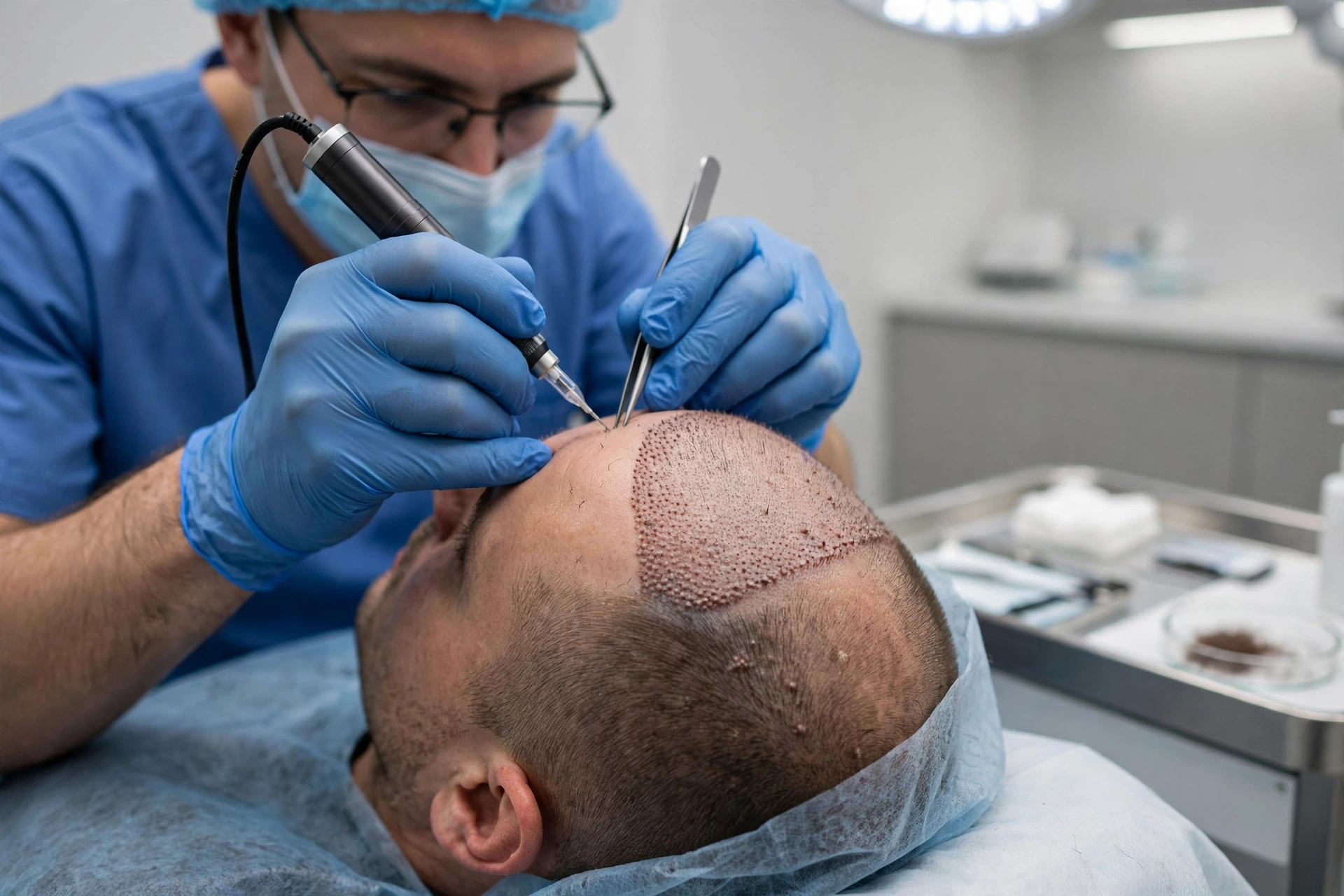
Understanding Shock Loss After Hair Transplant Surgery
Noticing hair falling out after a hair transplant can be concerning, especially when the procedure was intended to restore hair coverage. However, temporary shedding is a common part of the recovery process and does not necessarily indicate that the treatment has failed.
People researching a hair transplant in Chennai should understand that shock loss can occur after surgery due to temporary changes in the hair growth cycle. It may affect transplanted hair, existing natural hair or both. Knowing the reasons behind this shedding and when regrowth usually begins can help patients maintain realistic expectations during recovery.
What Is Shock Loss After a Hair Transplant?
Shock loss refers to temporary hair shedding that can occur following hair transplant surgery. It is associated with the physical stress of the procedure and changes affecting the hair follicles.
There are two important forms of postoperative shedding:
- Transplanted hair shedding: The visible hair shafts attached to transplanted follicles commonly fall out during the first few weeks. The follicles can remain beneath the scalp and produce new hair later.
- Existing hair shock loss: Natural, non-transplanted hair near the recipient area or occasionally the donor area may temporarily shed due to surgical stress.
Although both involve hair falling out, they are not exactly the same process. Understanding this distinction helps patients recognise expected recovery changes.
Why Does Shock Loss Happen After Hair Transplant Surgery?
Several factors may contribute to postoperative hair shedding.
1. Physical Stress During Surgery
Hair transplantation involves extracting and implanting follicular units. The surrounding scalp tissue experiences temporary physical stress, which can influence the normal hair growth cycle.
2. Changes in the Hair Growth Cycle
Hair follicles naturally move through anagen (growth), catagen (transition), telogen (resting) and shedding phases. Surgical stress may cause some growing hairs to enter the resting phase earlier than expected, resulting in temporary shedding.
3. Existing Hair Follicle Sensitivity
Natural hair affected by androgenetic alopecia may already be weakened through follicular miniaturisation. These follicles can be more vulnerable to temporary shedding following surgical intervention.
4. Inflammation Around the Scalp
Mild inflammation is part of the normal healing response. Changes in the surrounding scalp environment may contribute to temporary hair shedding in some individuals.
When Does Shock Loss Start After a Hair Transplant?
Shock loss does not occur at exactly the same time for everyone. The following timeline describes common recovery patterns.
First 1–2 Weeks: Initial Healing
The scalp may develop redness, swelling and small scabs. Transplanted hair shafts may remain visible during this period while the grafts establish themselves.
Weeks 2–8: Hair Shedding Phase
Many patients notice transplanted hair shedding during this period. Existing hair may also experience temporary shedding, although the timing and extent vary.
Months 2–3: Resting and Recovery Phase
The scalp continues recovering, and many transplanted follicles remain in a resting phase. Visible hair density may temporarily appear lower than immediately after surgery.
Months 3–4: Early Regrowth
New hair growth commonly starts becoming noticeable around this stage. Initially, the emerging hairs may be fine, short or uneven.
Months 5–12: Gradual Improvement
Hair growth and thickness generally improve over the following months. More noticeable coverage develops gradually, with further maturation potentially continuing up to 18 months.
Is Shock Loss Permanent or Temporary?
In many cases, shock loss is temporary. When the hair follicle remains healthy, it can resume its growth cycle and produce new hair.
However, recovery is not guaranteed in every situation. If an existing follicle is severely miniaturised or damaged, shedding may result in incomplete regrowth. Permanent loss can also occur due to complications, underlying hair disorders or other medical factors.
This is why postoperative evaluation is important when shedding appears excessive, prolonged or unusual.
How Can You Reduce the Risk of Shock Loss?
Shock loss cannot always be prevented, but appropriate planning and postoperative care may help reduce avoidable complications.
- Choose appropriate surgical planning: The surgeon should assess existing hair density and follicular miniaturisation before transplantation.
- Protect the transplanted area: Avoid scratching, rubbing or applying pressure to the grafts during early healing.
- Follow washing instructions: Use the recommended scalp-cleaning method and products.
- Avoid strenuous activity initially: Resume exercise according to the treating surgeon’s guidance.
- Follow medical advice: Discuss whether ongoing hair loss medication is appropriate rather than starting or stopping treatment independently.
- Attend follow-up appointments: Regular assessments help monitor scalp healing and hair growth.
When Should You Consult Your Hair Transplant Surgeon?
Temporary shedding is common, but certain symptoms should not be ignored. Increasing pain, spreading redness, pus, fever, persistent bleeding or worsening swelling require prompt medical assessment.
Patients should also consult their surgeon if hair shedding is unusually extensive, donor-area thinning becomes noticeable or expected regrowth does not appear over time.
When comparing the best hair transplant in Chennai options, consider postoperative monitoring and access to medical guidance alongside surgical expertise. A responsible hair transplant clinic in chennai should explain normal shedding patterns and provide clear instructions for managing unexpected symptoms.
What Should You Expect After Shock Loss?
Hair shedding following transplantation can be a normal part of the healing and growth cycle. Transplanted follicles often remain beneath the skin after their visible hair shafts fall out, and new growth commonly develops over the following months.
Patients considering the best hair transplant in Chennai should understand that final results require patience and individualised assessment. A professional hair transplant clinic in chennai should provide follow-up guidance throughout recovery.
For individuals researching a hair transplant in Chennai, understanding shock loss before surgery can help reduce unnecessary anxiety and support more informed treatment decisions.
Frequently Asked Questions About Shock Loss After Hair Transplant
1. Is shock loss normal after a hair transplant?
Yes. Temporary shedding of transplanted hair is common during the first few weeks. Some existing natural hair may also shed because of surgical stress. However, unusual or prolonged shedding should be assessed by the treating surgeon.
2. How long does shock loss last after a hair transplant?
The shedding phase commonly occurs during the first two months, although timing varies. New growth may become noticeable around three to four months, followed by gradual improvement over the following months.
3. Will transplanted hair grow back after shedding?
In most routine cases, the visible hair shaft sheds while the transplanted follicle remains in the scalp. The follicle can subsequently produce new hair as it re-enters the growth phase. Individual outcomes vary.
4. Can existing natural hair fall out after a hair transplant?
Yes. Existing non-transplanted hair near the surgical area may temporarily shed due to surgical stress. This is known as shock loss of native hair. Regrowth depends on the condition and health of the affected follicles.
5. How can I prevent shock loss after a hair transplant?
Shock loss cannot be completely prevented. However, appropriate surgical planning, careful graft handling, postoperative scalp protection and following medical instructions may help reduce avoidable risks. Patients should discuss preventive measures with their surgeon.