
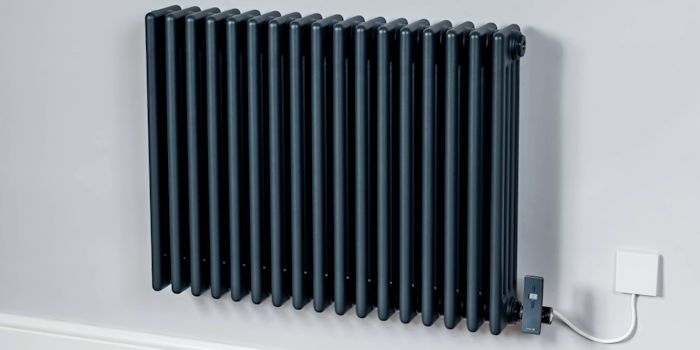
Choosing the right electric radiator size is one of those decisions that seems simple at first—but can quickly become confusing. Too small, and your room never feels warm enough. Too large, and you waste energy and money. With modern homes becoming more energy-efficient and heating systems evolving, getting the sizing right matters more than ever.
Many homeowners, especially those planning new builds or renovations, often ask whether are electric radiatorsbetter for new builds. While the answer depends on several factors, choosing the correct radiator size is a key part of making them work effectively in any space.
Why Radiator Size Matters More Than You Think
Electric radiators don’t rely on a central heating system, which makes them flexible and easy to install. However, this independence also means each radiator must be carefully matched to the room it serves.
An undersized radiator will struggle to heat the space, leading to longer running times and higher energy bills. On the other hand, an oversized unit may heat the room quickly but consume unnecessary electricity, reducing efficiency over time.
Getting the size right ensures consistent comfort, better energy performance, and a longer lifespan for your heating system.
Understanding Heat Output and Room Requirements
The size of an electric radiator is usually determined by its heat output, measured in watts. The amount of heat a room needs depends on several factors, including its size, insulation, and how it is used.
A small bedroom with good insulation will require far less heat than a large living room with high ceilings or multiple windows. Similarly, bathrooms often need slightly higher heat output to maintain warmth due to moisture and ventilation.
As a general guide, you can estimate the required wattage by considering the room’s floor area and ceiling height. However, this is only a starting point. Real-world conditions such as insulation quality and window type can significantly influence the final requirement.
Room-by-Room Considerations
Different rooms in your home have unique heating needs, and understanding these differences can help you choose the right radiator size more accurately.
Living rooms tend to be larger and used more frequently, so they benefit from higher output radiators that can maintain a steady temperature. Bedrooms, by contrast, often require moderate heat levels to create a comfortable sleeping environment without overheating.
Kitchens can be slightly more complex. Appliances generate heat, so you may need a slightly smaller radiator than the room size suggests. Bathrooms, on the other hand, typically require higher output to offset heat loss from tiles and ventilation.
When evaluating options, many homeowners revisit the question of whether are electric radiators better for new builds. In well-insulated modern homes, electric radiators can be particularly effective, as they allow precise control over individual room temperatures.
The Role of Insulation and Energy Efficiency
Insulation plays a critical role in determining radiator size. A well-insulated home retains heat more effectively, meaning you can use lower wattage radiators without sacrificing comfort.
Double glazing, wall insulation, and even flooring materials can all impact heat retention. In older homes with poor insulation, you may need to choose a slightly larger radiator to compensate for heat loss.
New builds, however, are designed to meet strict energy efficiency standards. This often means smaller radiators can achieve the same level of warmth, making electric heating a viable and efficient option.
Positioning and Placement Make a Difference
Even the perfectly sized radiator won’t perform well if it’s placed incorrectly. Positioning affects how heat circulates throughout the room.
Radiators are commonly installed under windows to counteract cold air entering the space. This placement helps maintain an even temperature and prevents cold spots.
Avoid placing radiators behind furniture or curtains, as this can block heat distribution. Proper placement ensures the radiator operates efficiently and delivers consistent warmth across the room.
Balancing Comfort and Control
One of the biggest advantages of electric radiators is the level of control they offer. Many modern models include programmable thermostats and smart features that allow you to adjust heating schedules and temperatures with precision.
This means you don’t always need a high-output radiator to maintain comfort. Instead, you can choose the right size and rely on smart controls to optimise performance.
By combining accurate sizing with intelligent controls, you can create a heating system that adapts to your lifestyle while keeping energy consumption in check.
Common Mistakes to Avoid
A common mistake is relying solely on room size without considering insulation or usage patterns. Another is choosing a radiator based on appearance rather than performance.
It’s also important not to underestimate the impact of windows, ceiling height, and room layout. These factors can significantly influence how heat is distributed and retained.
Taking the time to evaluate these elements ensures you select a radiator that delivers both comfort and efficiency.
Conclusion
Choosing the right electric radiator size is about more than just matching watts to square metres. It requires a thoughtful approach that considers room usage, insulation, placement, and lifestyle needs.
When done correctly, the result is a home that feels consistently warm, energy-efficient, and tailored to your daily routine. Electric radiators offer flexibility and control, making them an excellent choice for modern living—especially when paired with accurate sizing and smart planning.
If you’re upgrading your heating or designing a new home, take the time to assess each room carefully. The right radiator size can transform not just how your home feels, but how efficiently it performs.