
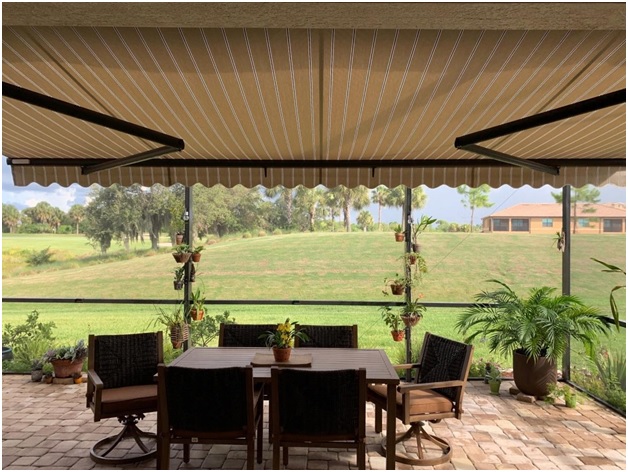
Maximising the potential of your garden, patio, or terrace is an excellent way to expand your usable living space and add significant value to your property. Across the United Kingdom, homeowners increasingly look for ways to enjoy their gardens year-round, seeking shelter from both the occasional intense summer heatwave and the inevitable passing rain showers. A high-quality garden awning offers a stylish, versatile solution, transforming an exposed patio into a comfortable, protected outdoor room. However, selecting the ideal model requires balancing architectural aesthetics, structural integrity, and functional requirements to ensure your investment stands up to the unpredictable British weather.
When exploring your options, consulting an established specialist like Regal Awnings provides invaluable insight into how premium materials and professional engineering can elevate your outdoor experience. A well-chosen shading system does more than just block the sun; it controls glare, protects your indoor furniture from ultraviolet fading, and establishes a seamless transition between your home and garden. To make an informed decision, you must consider several key factors, including the mechanical design of the system, the composition of the fabric, and the structural limitations of your property’s exterior walls.
Understanding the Primary Mechanical Formats
Awnings are categorised by how their fabric mechanism is protected from the elements when retracted. Choosing the right style influences the visual profile of your property and the long-term maintenance requirements of the hardware.
Full Cassette Shading Systems
A full cassette design offers the highest level of protection available on the market. When you fully retract the canopy, the fabric, the articulated support arms, and the roller mechanism are completely enclosed within a sleek, weather-tight aluminium housing. This format is ideal for properties in the UK that are exposed to harsh winter conditions, coastal winds, or heavy rainfall, as it prevents dirt accumulation and water damage when the system is not in active use.
Semi-Cassette and Open Configurations
For positions that enjoy some natural structural shelter, such as directly beneath a deep soffit or a projecting roof overhang, alternative configurations can be considered. A semi-cassette model features a protective top cover that shields the fabric roll from rain, while leaving the arms visible underneath. An open configuration has no built-in housing, making it highly economical but strictly reliant on existing architectural features to protect the rolled canopy from seasonal dampness.
Fabric Selection and Technical Specifications
The canopy fabric is the most visible element of your installation and bears the brunt of environmental exposure. Standard materials can fade, stretch, or succumb to mildew within a few seasons, making technical fabric selection crucial for longevity.
Premium installations, such as those provided by Regal Awnings, utilise solution-dyed acrylic textiles that offer superior colourfastness and durability. During the manufacturing process, the pigments are mixed into the liquid acrylic solution before the fibres are extruded, ensuring the colour penetrates to the core of the yarn rather than just sitting on the surface.
Crucial Textile Performance Characteristics
- Ultraviolet Protection Factor (UPF): Canopies should carry a high UPF rating, preferably UPF 50+, which blocks over 98 per cent of harmful ultraviolet radiation, ensuring safe relaxation for your family.
- Water Repellency: High-quality fabrics are treated with advanced fluorocarbon coatings that encourage rainwater to bead up and run off cleanly, preventing moisture absorption and sagging.
- Rot and Mildew Resistance: Active anti-microbial treatments prevent the growth of fungal spores, a vital feature given the damp, humid summer evenings common across Britain.
- Tensile Strength: The weave must remain tight and stable under constant tension, resisting tearing even when subjected to sudden, unexpected gusts of wind.
Size, Orientation, and Spatial Planning
Calculating the correct dimensions for your shading structure involves looking beyond the physical boundaries of your patio furniture. You must evaluate the path of the sun across your garden throughout the day and identify any regional microclimates, such as wind tunnels created by surrounding buildings.
To achieve effective shade, the width of the canopy should ideally extend beyond the width of the window or door opening by at least 50 centimetres on either side. Additionally, the projection—how far the fabric extends outwards from the wall—must be calculated carefully. Remember that as the sun dips lower in the late afternoon, the shadow cast by the canopy will shift, meaning a larger projection often provides better protection during peak dining hours.
Pitch Adjustment and Installation Realities
The angle of inclination, or pitch, is another essential factor that determines how effectively your system handles water drainage. Most professional installations require a minimum slope of 14 degrees to ensure that rainwater flows off the front profile smoothly, preventing heavy puddles from forming on the fabric surface.
Before proceeding with an order, it is imperative to conduct a structural assessment of your mounting wall. Awnings exert significant leverage forces on a building, especially during windy spells. Standard brickwork can easily support these loads, but properties featuring modern timber frames, external thermal insulation cladding, or historic stone require specialist chemical fixings and bespoke spreader brackets to distribute the weight safely.
Integration of Modern Smart Features
Modern exterior shading has moved far beyond the traditional hand-cranked mechanism, incorporating automated features that protect both the hardware and the user.
- Somfy Motorisation: Integrated tubular motors allow you to extend or retract the canopy effortlessly via a handheld remote control, a smartphone application, or voice commands.
- Anemometer Wind Sensors: These smart devices monitor real-time wind speed and automatically retract the structure if conditions become dangerous, preventing mechanical failure while you are away from home.
- Sun and Rain Sensors: Automation modules detect changing light levels or sudden downpours, deploying the canopy independently to keep your outdoor furniture dry and your interior rooms cool.
- Integrated LED Lighting: Dimmable light strips built directly into the support arms or the cassette profile allow you to extend your outdoor entertaining well into the night.
Shading System Evaluation
| Feature Comparison | Full Cassette Models | Open Configuration Models |
| Component Protection | Total isolation from rain, dirt, and frost | Hardware and fabric remain exposed |
| Aesthetic Impact | Minimalist, streamlined profile when closed | More traditional, industrial appearance |
| Longevity Expectancy | Exceptionally high due to enclosed design | Shorter lifespan; requires frequent cleaning |
| Installation Flexibility | Can be mounted on fully exposed walls | Requires a sheltered soffit or roof line |
Perfect Alfresco Spaces
Selecting the ideal awning requires a thoughtful evaluation of mechanical protection, structural stability, and advanced fabric technology. A full cassette design paired with solution-dyed acrylic fabric offers the ultimate shield against the elements, ensuring long-term durability and minimal maintenance. By integrating automated wind sensors and calculating the correct pitch, you create a safe, highly functional outdoor environment that expands your home. Ultimately, choosing a premium system tailored to your property’s unique architecture guarantees optimal shading comfort, transforming your garden into an inviting sanctuary for years to come.