
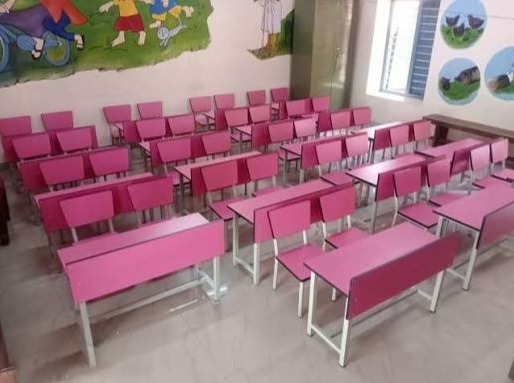
A school is not just about classrooms and books, but rather it is an environment in which habits, creativity, confidence, and lifelong learning are built. However, while focus is always on the curriculum and teaching methods, there is one component that is often overlooked: school furniture.
The right furniture layout and design affect comfort, concentration, interaction, and engagement. Nowadays, educational institutions are making significant investments in intelligent layouts and furniture designs in collaboration with skilled Primary School Furniture Manufacturers in Delhi.
If you are planning on setting up a new school facility or modifying your existing classroom, follow our guide to create functional and inspiring learning spaces.
Why School Furniture Matters More Than You Think
It’s not just about filling a classroom with furniture.
Children spend many hours a day sitting, writing, interacting, collaborating, and participating in different activities. Incorrectly selected furniture can have an impact on posture, mobility, and overall classroom atmosphere.
Good planning of school furniture will assist in:
- Optimizing classroom organization
- Creating healthy postures
- Promoting better participation
- Ensuring increased comfort
- Creating aesthetically pleasing spaces
Primary schools especially require furniture designed specifically for younger learners.
Step 1: Learn about the Age Group First
The biggest mistake that schools commit in regard to furniture selection is selecting furniture without considering the ages of the children.
Primary school furniture must take into consideration the need for the children to have easy movement, appropriate height, safe corners and edges, and comfortable seating.
Requirements for the furniture in relation to primary school children vary a lot compared to the furniture needed in middle or senior school.
There are many professional primary school furniture manufacturers in Delhi who specialize in creating collections based on age.
Step 2: Create Flexible Classroom Designs
Straight rows of seats in classrooms are slowly being phased out in favor of flexible class designs.
Flexible class designs involve having:
Collaborative Clusters
Helps encourage teamwork and collaboration among children.
U-Shape Arrangement
Helps to enhance teacher-student interaction.
Activity Zones
Supports creative learning and movement.
Reading Corners
Creates calm spaces for focused learning.
Flexible layouts help schools adapt classrooms for multiple teaching styles.
Step 3: Choose Furniture for Activities Conducted Every Day
Primary classrooms are dynamic in nature.
Students usually move from one activity to another, including:
- Writing
- Art
- Discussion sessions
- Telling stories
- Playing classroom games
The furniture chosen should allow for such dynamism.
Some recommended kinds of furniture include:
- Student desks
- Classroom chairs
- Teachers’ tables
- Storage units
- Tables for activities
- Benches for reading
Furniture companies specializing in school furniture in Delhi can always provide the above furniture for primary classrooms.
Step 4: Think About Safety and Durability
It is evident that school furniture is always used on a daily basis.
Important considerations about furniture:
- Corner radius
- Solid build
- Smooth finishing
- Maintenance-friendly
- Durability
Safety and durable furniture will save money on furniture replacements.
It is important for schools to regard furniture as investments.
Step 5: Bring Color in without Making Children Distracted
Children usually react well when colors are used judiciously.
A classroom color planning should involve:
- Bright colors for creativity
- Colors for concentration
- Well-organized color sections
Too much competition between colors should be avoided.
Step 6: Never Ignore Storage Planning
Storage is often left out until it is needed.
Effective storage facilitates:
- Organization
- Less clutter
- Access to supplies
- Improved classroom appearance
Good storage design improves the overall functionality of learning spaces.
Step 7: Look Further Than Individual Classrooms
Furniture in an entire school setting goes much further than desks and chairs.
Some other furniture areas are:
Library Areas
Comfy reading furniture.
Activity Rooms
Portable and flexible seating.
Staff Rooms
Productive workstations.
Reception Areas
Professional furniture.
With the help of efficient Primary School Furniture Manufacturers in Delhi, it will be easier to maintain uniformity in design throughout the campus.
Why Customized School Furniture Is Getting More Popular
Each school has its own system.
Benefits from using custom school furniture include:
- Effective use of available space
- Alignment with the school’s educational purposes
- Improvement of the classroom atmosphere
- Flexibility for future development
That is why custom-made educational furniture has become more popular among schools.
The company Trend Furniture continues to make contributions to the school interior by taking into account practical furniture layout and students’ needs.
Conclusions
Designing school furniture is not only about choosing desks and chairs; this process involves the creation of an environment where children will enjoy their studies every day.
Through cooperation with trustworthy School Furniture Manufacturers in Delhi, it will be possible to create comfortable spaces for studying, working together, and developing.