
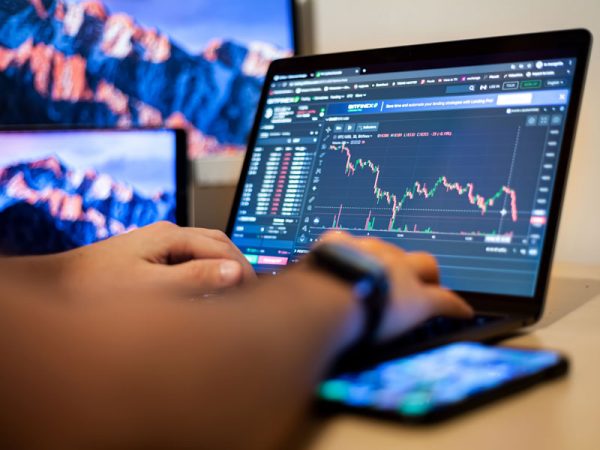
As one of the biggest exporters of oil and coffee, Colombians have an unusually close bond with raw materials. The reality for farmers in Huila who grow the beans that go into specialty roasters throughout Europe, and the workers bound to the Rubiales oil fields in the Llanos region, has always been shaped by the reality that world prices influence local prices. That awareness has opened a natural door for retail investors who had been considering getting into commodities trading for generations without ever seriously engaging with the underlying markets.
The distance between passivity and active participation has narrowed dramatically. Platforms open to Colombian investors have expanded access to crude oil, gold, natural gas, and agricultural commodities via CFD instruments, allowing traders to open positions without having to deal directly with commodity exchanges or purchase the underlying asset. A trader in Barranquilla can go long on Brent crude during a geopolitical event affecting oil supply and close the position that same afternoon.
There has been a special interest in gold. Colombian traders have been buying and selling gold both as a hedge and as a speculative play, tracking the price performance of gold relative to dollar strength and making trades based on that relationship. The connection between gold and the currency market is by no means straightforward, but traders already comfortable with reading the USD/COP market can more easily navigate trading gold.
In practice, commodities trading is shaped by a wider range of complex factors than currency markets alone. The impact of OPEC decision, U.S. inventory reports and political uncertainty in producing regions are all an influence on oil. Weather patterns, harvest predictions, and shipping disruptions affect agricultural commodities. It is a different kind of analytical vocabulary, but one that Colombian traders with direct experience in agriculture and energy are often well-positioned to develop.
The interest has been reflected in the coverage of community channels. Telegram channels that built their following around forex commentary now have sections for gold setups and reactions to weekly oil inventory data. Traders post screenshots of commodity positions alongside currency price levels, and there is now considerable discussion about how oil prices correlate with the Colombian peso in spaces that previously were devoted almost entirely to exchange rate analysis.
Similar considerations apply in the regulatory environment. The vast majority of retail access to commodity instruments is via offshore brokers, and Colombian investors face the same platform selection considerations as retail traders elsewhere in the world. Traders who have experienced the consequences of neglecting due diligence do not take lightly a broker’s reputation, withdrawal reliability, and transparency of spreads.
It is not a dramatic change, but rather a gradual and expanding scope of ambition among Colombian retail traders. While currency pairs will continue to be the main focus for some time, the desire to understand and trade the assets that have supported the Colombian economy for more than a century is steadily growing in depth and seriousness, and that appetite shows no sign of slowing.