
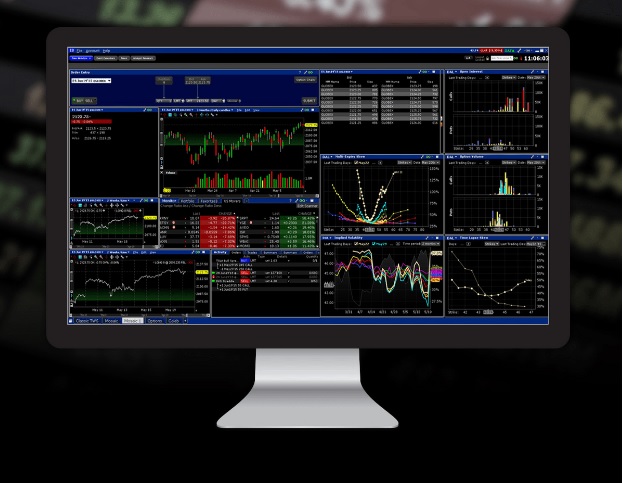
Algo trading platforms turn pre-defined rules into live orders. Understanding how algo trading platforms work helps you judge their reliability, cost and compliance. This guide explains the flow from signal to exchange and lists what to check before choosing among algo trading platforms.
What Are Algo Trading Platforms?
Algo trading platforms are software environments where traders define conditions, such as price levels, indicators or time triggers, and let the system send orders automatically. Some algo trading platforms offer no-code builders, others expose APIs for custom code, and some are integrated into a broker’s terminal.
How Algo Trading Platforms Work
- Signal generation. The platform evaluates market data against your rules.
- Order creation. A signal becomes an order with price, quantity and type.
- Broker routing. The order travels through the broker’s API and risk checks.
- Exchange execution. The exchange matches the order, and the platform tracks the fill.
- Monitoring. The platform logs fills, positions and errors.
Under SEBI’s retail framework, mandatory for all brokers since 1 April 2026, algo orders carry an exchange-issued identifier, and brokers remain responsible for the algos on their platforms. Brokers monitor order flow in real time and reject orders above the threshold unless they come from a registered algo.
Comparison of Algo Trading Platforms
The platforms below represent different approaches to algorithmic trading. Their features, automation options and integration requirements vary, so traders should check the current offering before choosing one.
| Platform | Trading approach | Key features to compare |
| SMC Trade Online | Broker-linked algo trading offering | SMC’s algo trading service, strategy templates and integrations with providers such as AlgoBulls, Tradetron and Market Maya. |
| Tradetron | Strategy automation | Rule-based strategy creation, available integrations and execution through supported brokers. |
| AlgoTest | Strategy testing and automation | Strategy backtesting, options strategy tools and supported live-trading integrations. |
| Zerodha Streak | Broker-integrated strategy tools | No-code strategy creation and testing, subject to current product availability and broker support. |
SMC Trade Online is worth considering for traders who prefer exploring algorithmic trading through a brokerage provider. However, its suitability depends on the available strategy-building tools, broker connectivity, subscription terms and regulatory requirements. Compare these factors alongside ease of use, testing capabilities and risk controls rather than choosing a platform on features alone.
The Rules That Shape Algo Trading Platforms
The regulatory framework for algo trading platforms in India focuses on order identification, broker accountability and controlled API access. The key requirements to understand before choosing a platform include:
- Order threshold: NSE’s implementation standards set the threshold at 10 orders per second per exchange, and algos below it do not need registration.
- Tagging: even below the threshold, orders are classified as algo orders to maintain an audit trail.
- Empanelment: Reuters reported that providers should empanel with stock exchanges and that brokers need exchange permission for each algorithm they offer to retail clients.
- Access controls: secondary sources describe static IP whitelisting and broker-supervised API usage.
Why Adoption Is High
Algo trading platforms handle most of NSE’s volume: 54.0% of equity cash turnover and 69% of equity derivatives turnover in Q1 FY26. In equity derivatives, NSE data summarised by QuantInsti shows the algo share rising from 50% in FY15 to 67% in FY26 to date.
What to Look For in Algo Trading Platforms
- Regulatory fit: access through a broker operating within the SEBI framework.
- Backtesting and paper trading: to validate rules before live use.
- Risk controls: order limits, loss limits and kill-switch options.
- Connectivity: stable APIs and clear documentation.
- Pricing clarity: subscription, API and brokerage costs shown upfront.
- Logging: order-level records for review.
Special Sessions: The Muhurat Trading Session
Algo trading platforms need to handle unusual schedules. The Muhurat trading session on Diwali is a short, one-hour window, and in 2026 it falls on Sunday, 8 November, with NSE to notify timings later. The 2025 Muhurat trading session ran with pre-open from 1:30 to 1:45 PM, normal trading from 1:45 to 2:45 PM and a closing session from 2:55 to 3:05 PM, with a trade modification cut-off between 1:45 and 3:15 PM.
Brokers add their own rules; in 2025, one broker squared off intraday positions ten minutes before close. Read more about the Muhurat trading session and ask your broker whether your platform supports it.
Common Pitfalls
- Trusting backtests without forward testing.
- Ignoring slippage and fees.
- Running too many strategies at once.
- Skipping monitoring because “it is automated.”
Brokers and Platform Access
Some brokers provide their own API access. SMC Global Securities, for instance, describes an ACE API with REST and WebSocket interfaces. Terms vary, so confirm access conditions before building.
In conclusion, algo trading platforms add speed and consistency, but only inside a regulated, well-tested framework. Learn how algo trading platforms work, check compliance and costs, and start small.