
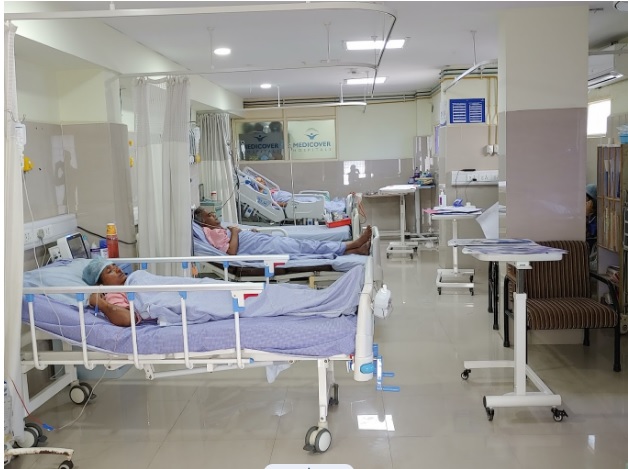
When a health problem appears suddenly, there is often little time to compare different healthcare facilities. A high fever that does not settle, chest discomfort, a serious injury, or sudden weakness can require immediate medical attention. At the same time, even planned treatment can become complicated when patients need multiple tests, specialist consultations, or follow-up care.
This is why choosing a hospital should involve more than checking whether a particular doctor or department is available. Emergency services, diagnostic facilities, specialist departments, surgery, critical care, and recovery support can all play an important role in the treatment journey.
Emergency Services for Urgent Medical Needs
Emergencies can happen at any time and may require quick assessment and treatment. A hospital with a dedicated emergency department can provide immediate medical attention for conditions such as:
- Road accidents and serious injuries
- Chest pain and breathing difficulties
- Sudden weakness or loss of consciousness
- Severe infections
- Burns and other acute injuries
- Sudden abdominal pain
- Medical complications requiring urgent care
Emergency services may also include access to imaging, laboratory testing, specialist consultations, and critical care when needed.
Diagnostic Facilities for Accurate Evaluation
Before treatment begins, doctors often need a clear understanding of what is causing the symptoms. This makes diagnostic facilities an important part of hospital care.
Depending on the condition, patients may require:
- Blood and urine tests
- X-rays
- Ultrasound scans
- CT scans
- MRI scans
- ECG and cardiac tests
- Pathology and biopsy services
Having several diagnostic services available at the same healthcare facility can make the process easier, particularly when multiple investigations are required.
Access to Different Medical Specialists
Health conditions do not always fit into one category. A patient may initially visit a general physician but later need advice from another specialist.
Hospitals with multiple departments can provide access to specialists in areas such as:
- Cardiology
- Neurology
- Orthopedics
- Gastroenterology
- Oncology
- Urology
- Pulmonology
- Nephrology
- Obstetrics and gynecology
- General medicine
This can be useful when a patient’s symptoms require evaluation from different medical fields.
Critical Care and Intensive Monitoring
Some patients need continuous monitoring after an emergency, major surgery, or serious illness. Intensive care facilities provide a higher level of observation and medical support for patients whose condition requires it.
When choosing a hospital, families may consider whether it has intensive care facilities and trained teams who can manage patients requiring close monitoring.
This can be particularly important for patients with severe infections, respiratory problems, cardiac conditions, major trauma, or complications following surgery.
Surgical Facilities and Post-Operative Care
For patients who need surgery, the operation itself is only one part of the treatment process. Modern operation theatres, anesthesia support, surgical equipment, infection-control measures, and post-operative monitoring are also important.
Depending on the diagnosis, treatment may involve conventional surgery or minimally invasive procedures. The appropriate option is decided by the treating team after considering the patient’s condition.
After surgery, patients may need pain management, nursing care, physiotherapy, nutritional support, and follow-up consultations.
Rehabilitation and Recovery Services
Recovery can continue for weeks or months after treatment. Patients recovering from orthopedic injuries, neurological conditions, major surgery, or other health problems may benefit from rehabilitation services.
These may include:
- Physiotherapy
- Occupational therapy
- Speech therapy
- Mobility training
- Nutritional guidance
- Post-treatment monitoring
Access to these services can help patients continue their recovery after leaving the hospital.
What Patients Should Check Before Choosing a Hospital
Whether treatment is planned or unexpected, a few basic factors can help patients compare healthcare facilities.
Consider checking:
- Emergency department availability
- Diagnostic and imaging facilities
- Range of medical specialties
- Critical care services
- Operation theatre facilities
- Laboratory and pathology support
- Pharmacy availability
- Rehabilitation services
- Follow-up care
- Accessibility from home
For people travelling from nearby towns, location can also matter. Someone searching for a Best Hospital near Tadepalligudem may consider facilities in Kakinada based on the availability of specialized departments and advanced medical services.
Looking at Healthcare Beyond One Department
A hospital is not defined by a single specialty or treatment. Emergency care, diagnostics, specialist consultations, surgery, critical care, and rehabilitation can all become important at different points in a patient’s healthcare journey.
For patients considering a Hospital In Kakinada, looking at the complete range of facilities can help them make a more informed choice. The right hospital ultimately depends on the patient’s medical condition, the treatment required, and the level of care needed at each stage.