
A period does not pause for a busy schedule. Work meetings, gym sessions, commutes, and family responsibilities carry on, and the pad someone wears has to keep up with all of it. Daily routines shape period comfort more than most people realize, and small changes in habit can mean the difference between a day spent distracted by discomfort and a day spent focused on what actually matters. Choosing the best sanitary pad in Dubai starts with understanding how your own routine puts pressure on your hygiene choices, not just picking whatever sits on the shelf.
Morning Routines Set the Tone
The first pad of the day carries the heaviest workload. Overnight flow builds up, and a poor start often means adjusting, checking, or changing again within an hour of leaving home. A rushed morning routine leaves little room for that kind of interruption. Choosing a pad with strong absorbency and a secure fit at the start of the day reduces the chances of a mid-morning scramble. People with early commutes or back-to-back meetings benefit most from getting this first choice right, since there is rarely a convenient moment to fix it later.
The morning change also sets expectations for the rest of the day. A pad that fits well at 7 am and still feels secure by 11 am builds confidence heading into whatever the day holds. A pad that shifts or feels bulky within the first hour creates a nagging worry that follows through every meeting and errand that follows.
Work and Study Schedules Demand Reliability
Long stretches at a desk, in a classroom, or on a factory floor do not leave much time for hygiene breaks. A pad that shifts, bunches, or fails to manage odor becomes a constant distraction rather than a background detail. Breathable materials matter here. Sitting for hours in the same position raises the risk of irritation, especially with pads that trap heat and moisture. A well-designed pad allows airflow while still holding its shape through long, low-movement periods, which is exactly the kind of demand office and study routines place on hygiene products.
Bathroom access adds another layer to this. Someone working a retail shift or sitting through a three-hour lecture cannot always step away the moment they feel the urge to check. A pad built for extended wear, rather than frequent changes, fits this kind of schedule far better than a standard daytime pad designed around regular breaks.
Physical Activity Changes the Requirements Entirely
Gym sessions, sports practice, or even a fast walk to catch a bus put different stress on a pad than sitting at a desk. Movement increases the chance of leaks at the sides and back, and sweat adds another layer of discomfort if the pad’s surface does not manage moisture well. Anyone with an active routine needs a pad built for movement, not just absorbency. Side guards, flexible cores, and a snug fit make far more difference during a workout than they do during a quiet afternoon.
Heat plays a role too. Physical activity raises body temperature, and a pad that does not breathe well compounds that heat right where it is least welcome. People who train regularly often notice this more than anyone else, since a pad that performs fine during a normal day can fail entirely during an intense session.
Evening Routines and Rest Matter Too
The pad worn to bed carries its own set of demands, separate from anything worn during the day. Sleep position, mattress protection, and hours without a change all factor into which pad works best overnight. People who move a lot in their sleep need longer coverage and stronger back protection, while people with a lighter flow by evening may need something less bulky. Matching the pad to the actual rest routine, rather than defaulting to the same daytime pad, improves both sleep quality and morning comfort.
Waking up to a leak affects more than laundry. It disrupts sleep, adds stress first thing in the morning, and often means an unplanned change before the day has even started. Getting the overnight choice right protects the entire morning routine that follows.
Why Routine-Based Choices Matter More Than Marketing
Sanitary pad packaging often promises the same things: comfort, protection, confidence. But comfort looks different for someone standing all day compared to someone sitting through lectures, and protection means something different overnight than it does during a workout. The most useful approach is matching pad features to the actual routine, hour by hour, rather than choosing one pad type for every part of the day. This is where habits, not just product specs, start to matter.
Most people default to one pad type out of convenience, not because it fits every part of their schedule. Recognizing where that one-size choice falls short is often the first step toward a more comfortable routine overall.
Brands That Understand Daily Variation
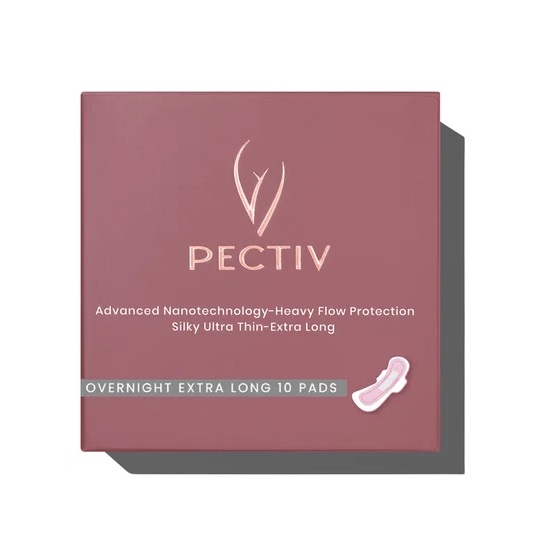
Some brands design with this variation in mind rather than offering a single generic option. Pectiv, a Dubai-based period care brand, has built its product range around this idea, offering pads suited to different flow levels, activity types, and times of day rather than a one-size-fits-all design. Their approach reflects a broader shift in the feminine hygiene space, where comfort is increasingly tied to how a pad performs across a real daily routine, not just how it performs in a lab test.
Building a Routine Around Hygiene, Not Just Around a Pad
The strongest approach treats period hygiene as part of the daily routine itself, not a separate task squeezed in when needed. That means packing a spare pad for the gym bag, keeping a backup at the desk for long work days, and choosing an overnight option before bedtime instead of reaching for whatever is left in the box. Small planning steps like these reduce the chance of discomfort catching someone off guard during a busy day.
Building this habit takes a few cycles to settle in, but it pays off quickly. Once someone knows which pad suits which part of their day, the guesswork disappears, and period days start to feel far more manageable.
Conclusion
Daily routines shape period hygiene far more than most people account for, and matching pad choice to actual activity, whether at a desk, in a gym, or overnight, makes a real difference in comfort. Anyone exploring new pads for periods should think through their own routine first: how active the day is, how long stretches go between breaks, and what overnight rest looks like. A pad chosen with that context in mind holds up better through the day than one picked at random. Brands like Pectiv, built around this exact idea of matching pads to real daily demands, make that kind of routine-based choice easier to act on. Understanding your own patterns is the first real step toward better period comfort, and it turns a routine chore into a small, manageable part of the day rather than a constant source of worry.