
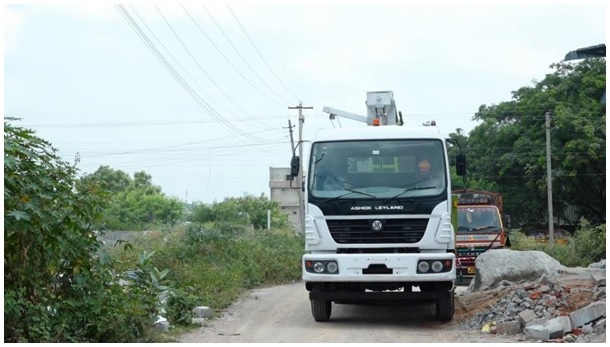
Buying a drilling rig is a major investment, and many businesses are surprised to find large differences in pricing between machines that appear similar at first glance. The reason is that drilling equipment is not built with a one-size-fits-all approach. Factors such as drilling capacity, machine design, technology, and operating conditions all influence water well drilling rig prices. Understanding these differences allows buyers to evaluate equipment based on performance and long-term value rather than simply choosing the lowest-priced option.
Understanding the Key Factors Behind Rig Costs
The price of a water well drilling rig reflects the engineering, materials, and capabilities required to complete specific drilling tasks. A machine designed for occasional shallow drilling will naturally have different specifications compared to equipment built for demanding commercial projects.
Drilling Depth and Ground Conditions
One of the biggest influences on equipment pricing is the type of drilling work the machine is expected to handle. Projects involving deeper wells or harder geological formations require stronger structures, higher-powered systems, and more durable components.
Important factors include:
- Required drilling depth
- Type of terrain and rock formation
- Drilling method used for the project
- Expected working hours and frequency of operation
Machines designed for challenging conditions often cost more because they need enhanced durability and performance capabilities.
Machine Features and Technology
Advancements in drilling technology have introduced features that improve efficiency, safety, and operator control. Modern rigs may include improved hydraulic systems, automated controls, and designs that allow faster setup and easier transportation.
Although advanced features can increase the initial investment, they may help reduce operating costs by improving productivity and limiting unnecessary downtime. For businesses that rely on drilling operations regularly, these benefits can make a significant difference over the equipment’s lifespan.
New Equipment, Used Options, and Overall Value
The condition of a drilling rig also affects its market price. New equipment generally offers the latest technology, longer service potential, and direct manufacturer support. On the other hand, refurbished or used machines can be suitable for companies that need dependable performance while managing budget limitations.
Before making a purchase, buyers should consider more than the initial cost. Equipment history, maintenance requirements, availability of replacement parts, and future workload expectations all contribute to the real value of the investment.
The Role of Manufacturer Quality and Support
The supplier behind the equipment can have a major impact on the ownership experience. Established drilling machine suppliers often provide technical guidance, equipment customization options, and support that helps customers select the right machine for their applications.
A reliable manufacturer focuses not only on selling equipment but also on helping customers achieve consistent drilling performance. Strong after-sales service, access to spare parts, and technical assistance can reduce operational challenges in the long run.
Looking Beyond the Purchase Price
Selecting a drilling rig requires a broader approach than comparing price tags. A machine with a lower upfront cost may create higher expenses if it requires frequent repairs or cannot handle project requirements efficiently.
Before finalizing a purchase, businesses should review:
- Equipment reliability and build quality.
- Maintenance and operating expenses.
- Availability of technical support.
- Compatibility with future projects.
- Expected productivity levels.
Conclusion
The variation in drilling rig costs comes from differences in engineering, performance, technology, and application requirements. Selecting the right equipment requires businesses to assess their operational needs and focus on long-term efficiency rather than only the initial investment.
Prime Rigs supports customers by providing reliable drilling solutions designed to meet different project demands. With industry-focused expertise and a commitment to quality equipment, the company helps clients identify suitable options for their drilling operations. Working with experienced drilling machine suppliers allows businesses to make informed decisions based on equipment performance, durability, and overall value.